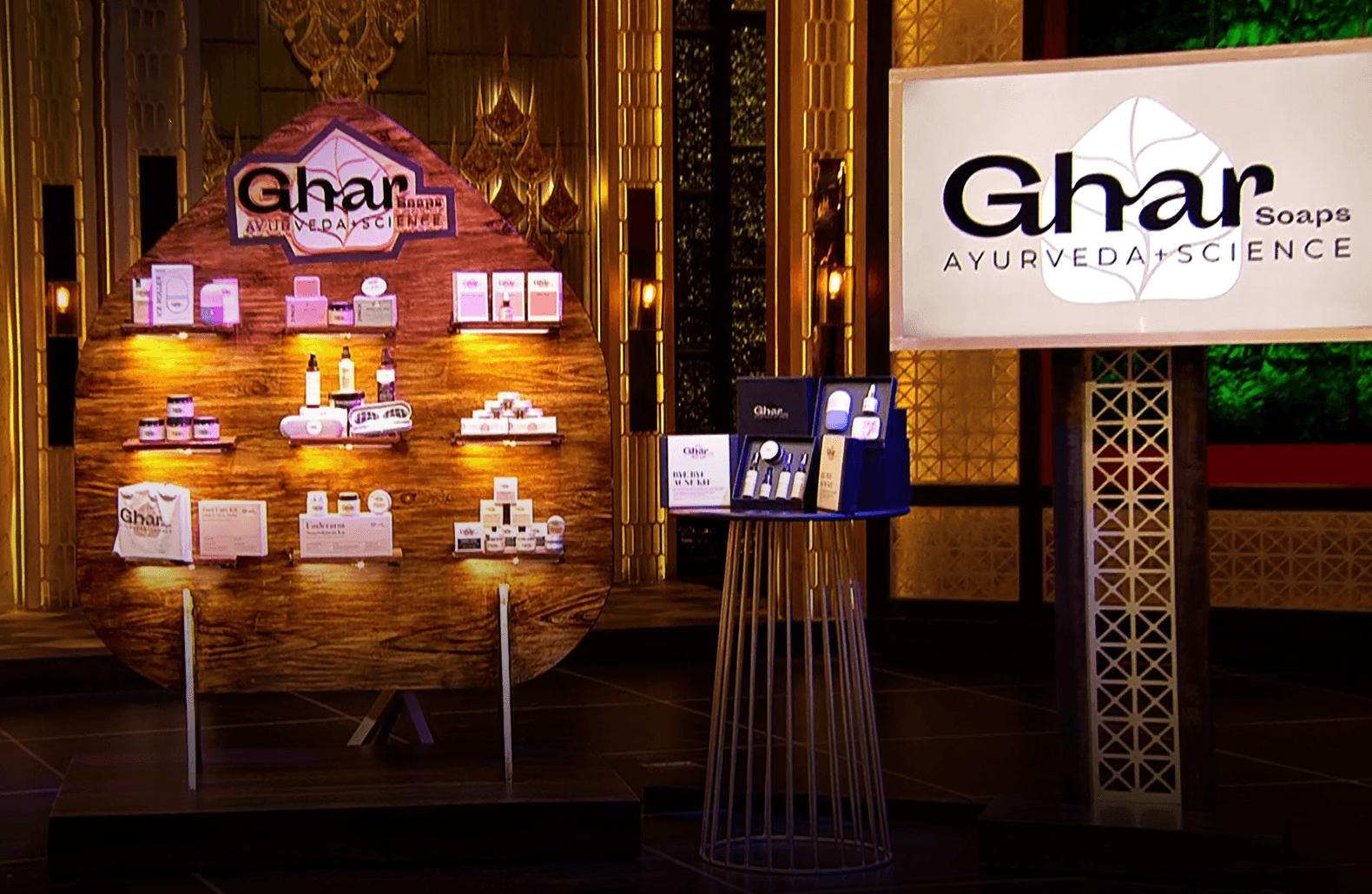
The Challenge
Ghar Soaps had a solid product. Their ingredients were clean, their formulations worked, and they had great influencer partnerships. People who used their products loved them.
But their product pages felt... corporate. Clinical. Like a lab report.
The Problems:
1. Information Overload Without Context
The product page listed everything: ingredients, benefits, certifications. But it was just text. Bullet points. No human touch. Shoppers had to work hard to understand 'why should I care about saffron?'
2. Missing Social Proof Where It Mattered
Ghar Soaps had partnered with influencers who genuinely loved and used their products. These influencers created authentic content showing the product in real bathrooms, real routines, real results.
But this content lived on Instagram and YouTube. It wasn't on the product page where people were making purchase decisions.
3. Tabs That Hid Information
Important details were buried in tabs. To see 'How to Use,' you had to click. To see 'Ingredients,' another click. To see 'Benefits,' yet another click.
Each click is friction. Each click gives shoppers a chance to doubt, to leave, to abandon the cart.
The result? Shoppers left the page without feeling confident enough to buy.
Helium’s Solution
Don't just tell people about the product. Show them someone they trust using it.
Added Influencer Context to Benefits Tab
BEFORE:
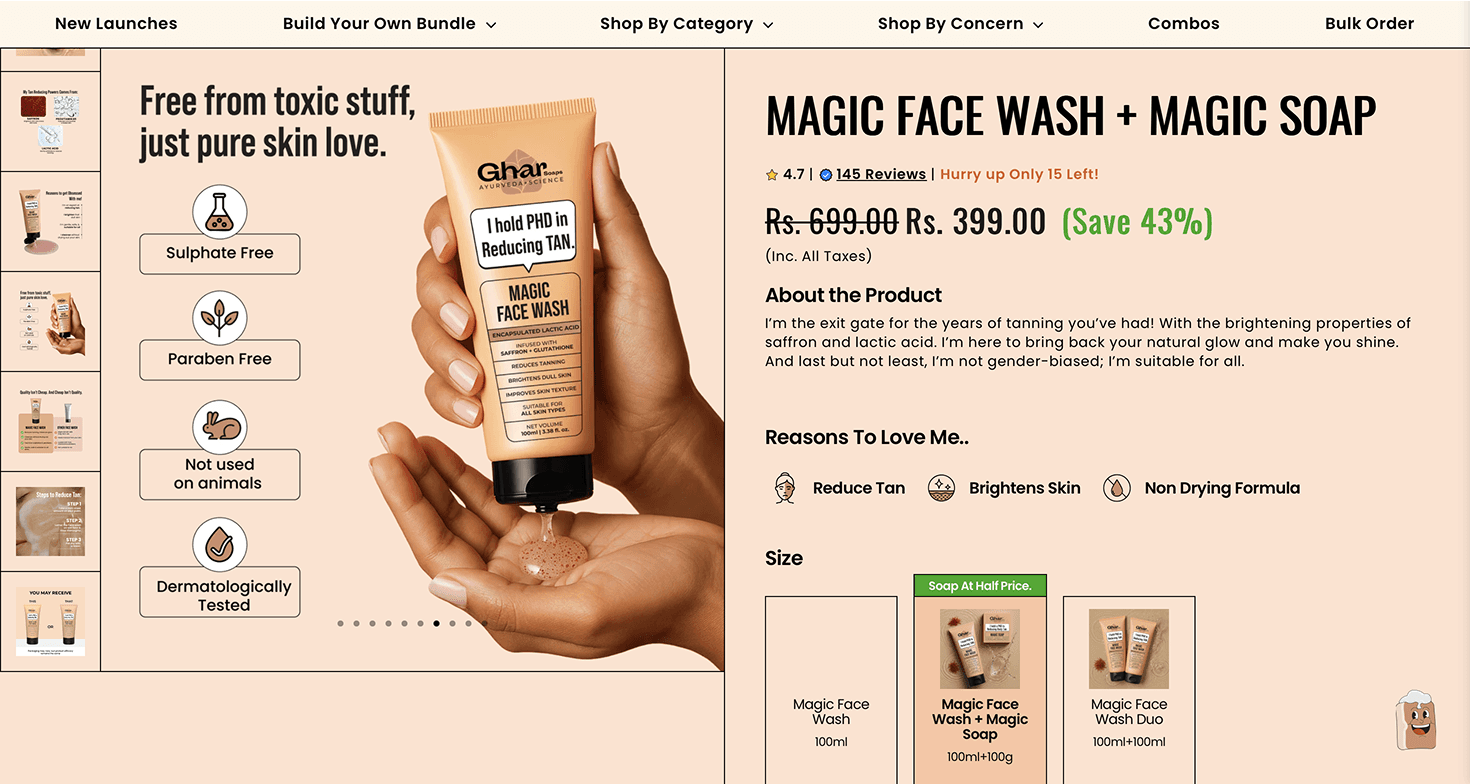
The Benefits tab showed a list of product claims with small icons and text. It looked like this:
• Reduce Tan
• Brightens Skin
• Non Drying Formula
Functional. Clear. But impersonal.
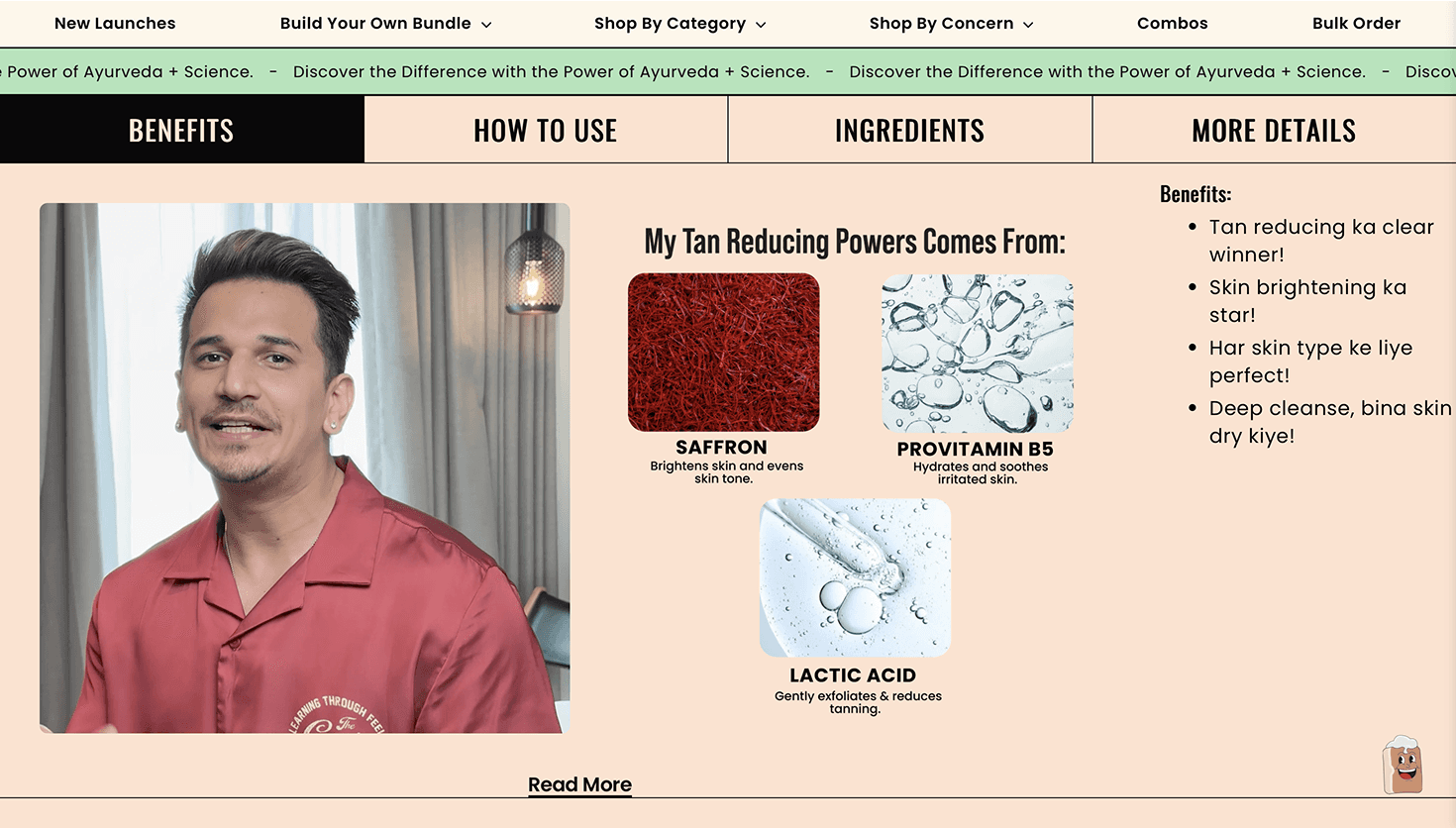
AFTER:
Helium added a large influencer photo showing someone actually using the product. The influencer is mid-wash, foam on their face, genuine expression. Next to the photo, the same benefits appear-but now they have context.
You see a real person experiencing those benefits, not just reading about them.
Simplified 'How to Use' with Real Demonstration
BEFORE:
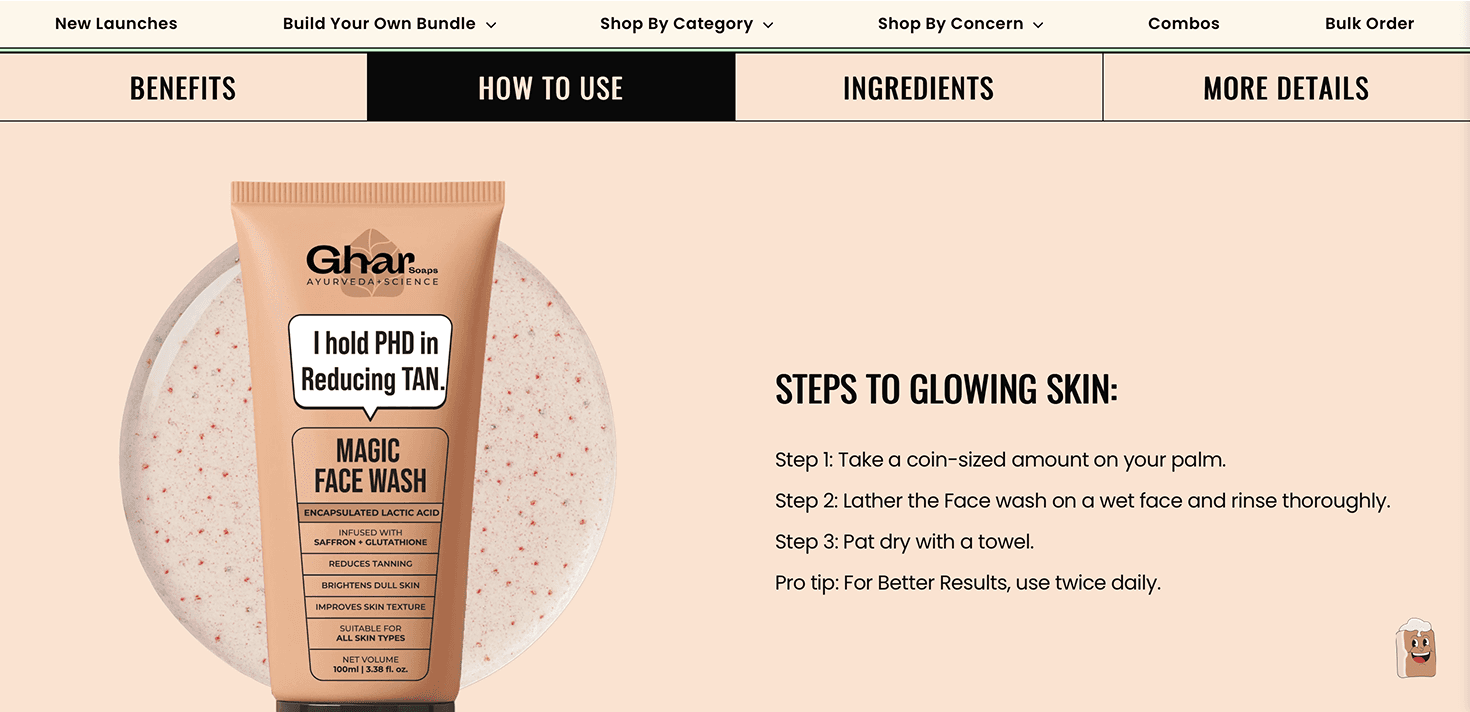
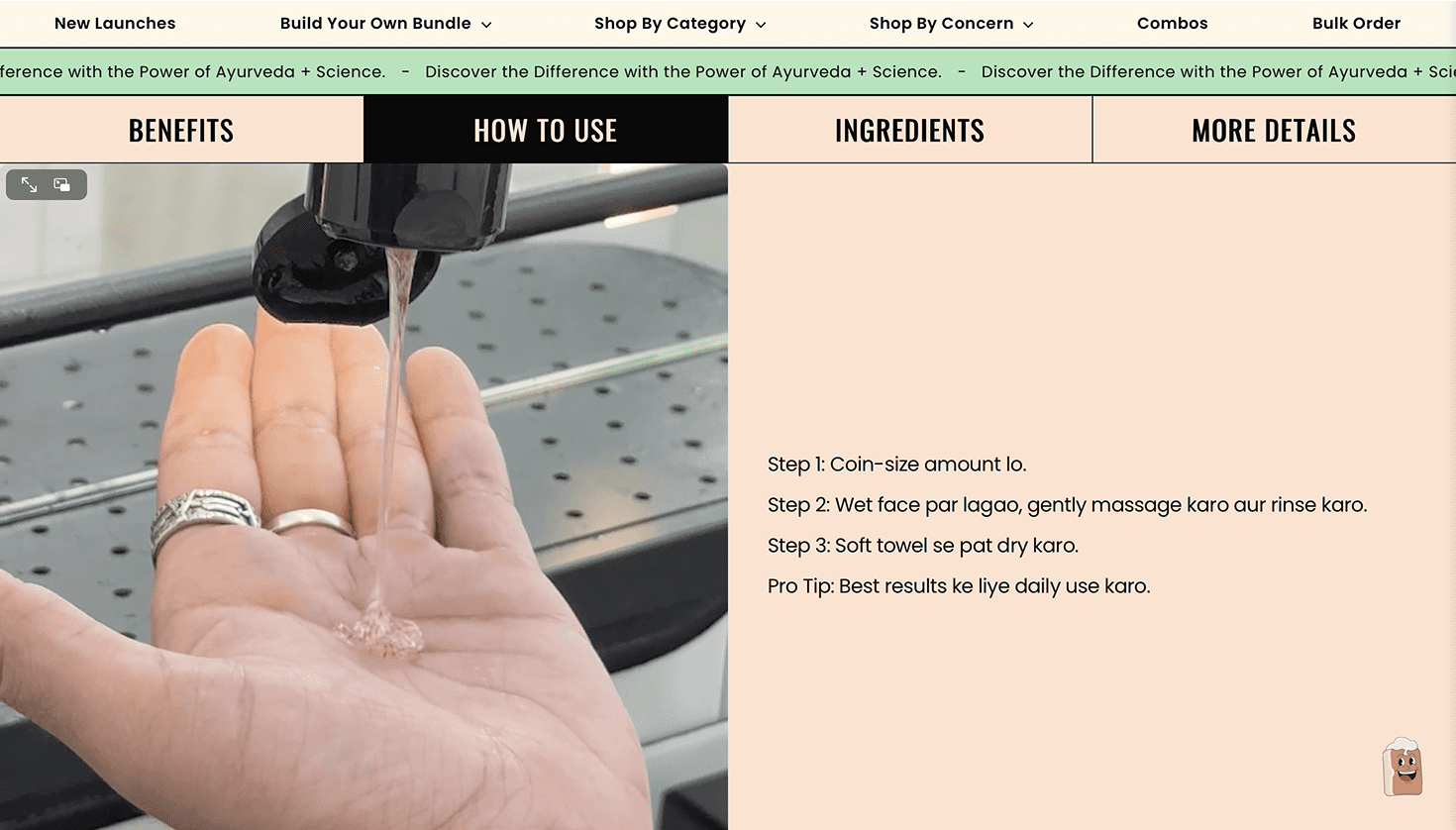
The 'How to Use' tab just had a static image and text instructions. Generic. Forgettable.
AFTER:
Helium added a video of influencer using the product in their actual bathroom. The person is applying the face wash, mid-routine.
Notice the language? It's in Hinglish conversational, friendly, the way friends talk. Not corporate speak.
Numbers That Tell the Story
To measure the impact of these changes, Helium ran a controlled A/B test, splitting traffic between the original product page and the redesigned version. The results were clear and significant.
~10% Increase in Both Conversions and Revenue
The Testing Methodology:
We divided visitors into two equal groups:
• Control Group (50% of traffic): Saw the original product page with text-heavy tabs, small ingredient images, and no influencer content
• Test Group (50% of traffic): Saw the redesigned page with large influencer photos, visual ingredients section, Hinglish copy, and the green urgency strip
Both groups received the same traffic sources, same promotions, and same product pricing. The only variable was the product page design.
The Numbers:
After running the test for a sufficient sample size, here's what we found:
• Conversion Rate: ~10% higher on the redesigned page
• Revenue per Visitor: ~10% higher on the redesigned page
• Time on Page: Noticeably longer on redesigned version (shoppers engaged more with tabs)
• Bounce Rate: Lower on the redesigned page (fewer people left immediately)
Qualitative Improvements We Observed:
• Product pages felt more alive and trustworthy
• Customers spent more time engaging with tabs (especially Ingredients and How to Use)
• The influencer photos created immediate visual interest and stopped the scroll
• The green urgency strip successfully drew attention to combo deals
10%
Conversion Uplift
10%
Increase in Revenue

The Bigger Picture
Here's the big lesson from Ghar Soaps:
If you're investing in influencer marketing, don't let that content live only on social media.
Bring it into your store. Put it on your product pages. Let it work where purchase decisions actually happen.
Most brands think of their product page as separate from their marketing. But for the customer, it's all one experience.
When someone lands on your product page after seeing an influencer's post, they should feel continuity - not disconnection.