Footwear
Shoe photography from one packshot.
Seven angles, the sole, macro details and on-foot street shots for every pair, made from the photos you already have and checked stitch by stitch.
By Sidharth Sahni · Updated · 3 min read
Part of the Footwear playbook: shot list, ad formats, the calendar and the work for your category.
Short answer. A footwear listing needs seven angles (outer side, inner side, front, back, top, three-quarter and sole), one or two detail macros and an on-foot shot. Helium can make the details and on-foot shots from your existing packshot with AI. For Gully Labs we started from a single store packshot and made lace, toe, heel and on-feet shots that keep every stitch, lace and colour true to the real shoe. Pricing is $1 (₹85) an image.
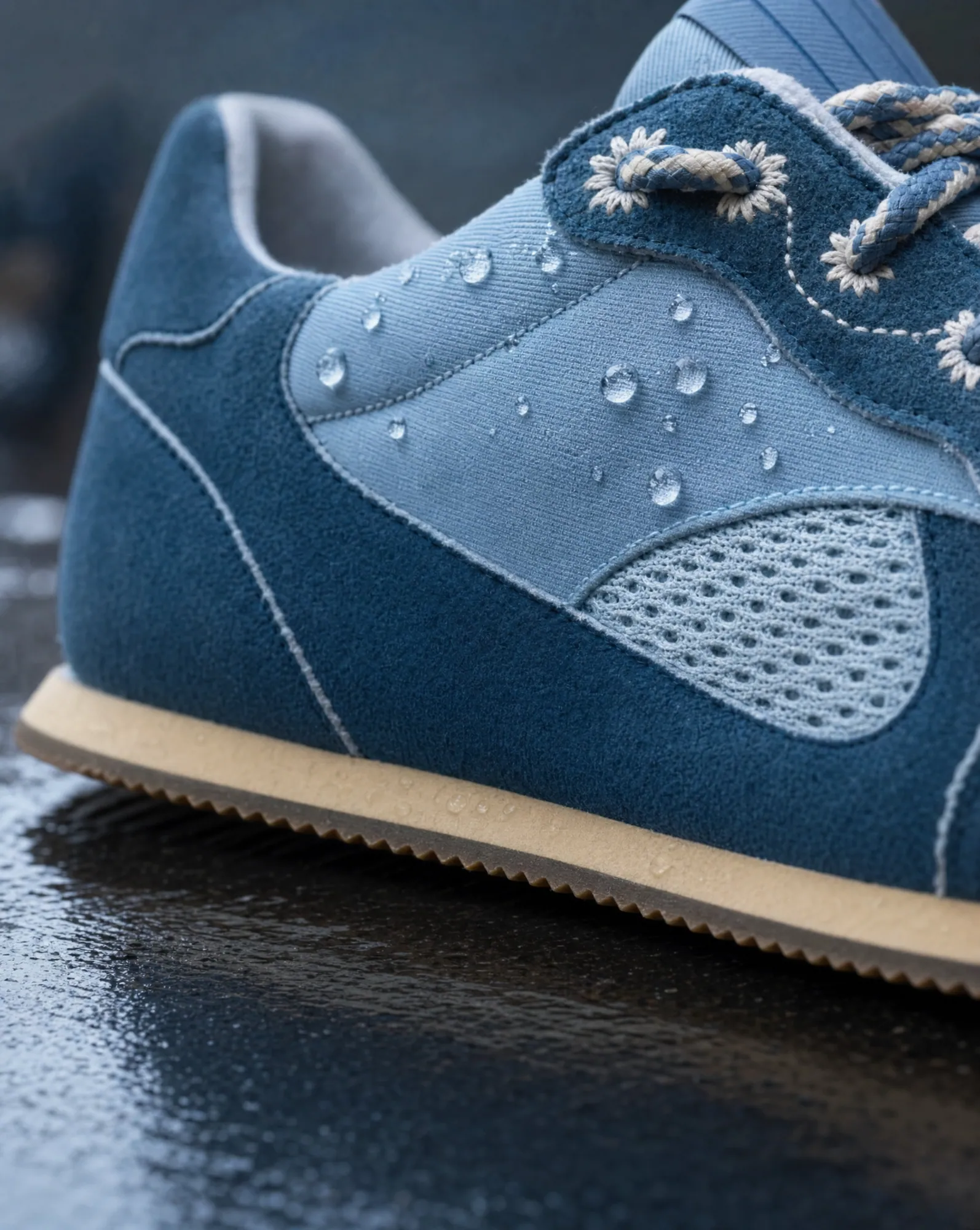
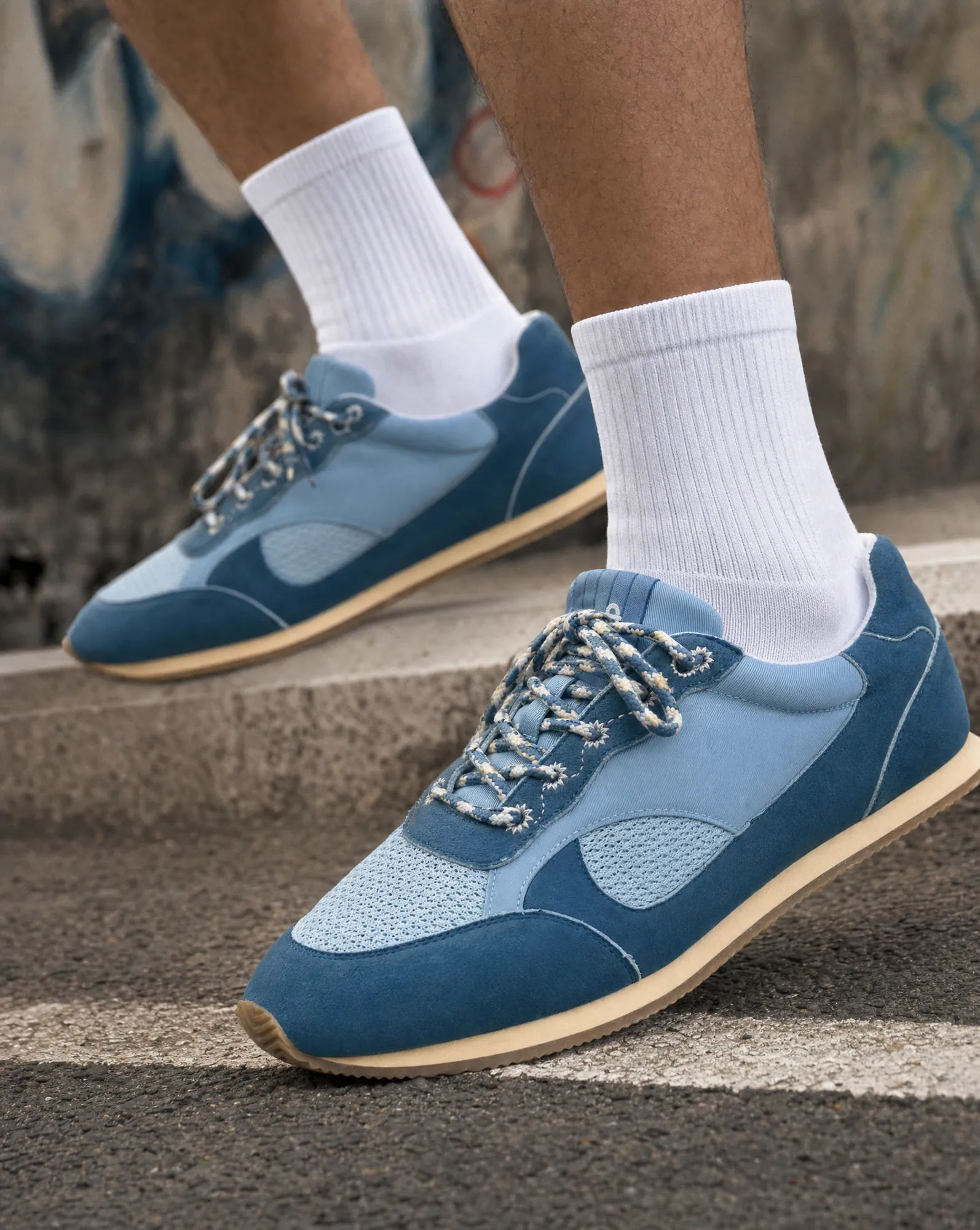
Before and after: one Gully Labs packshot
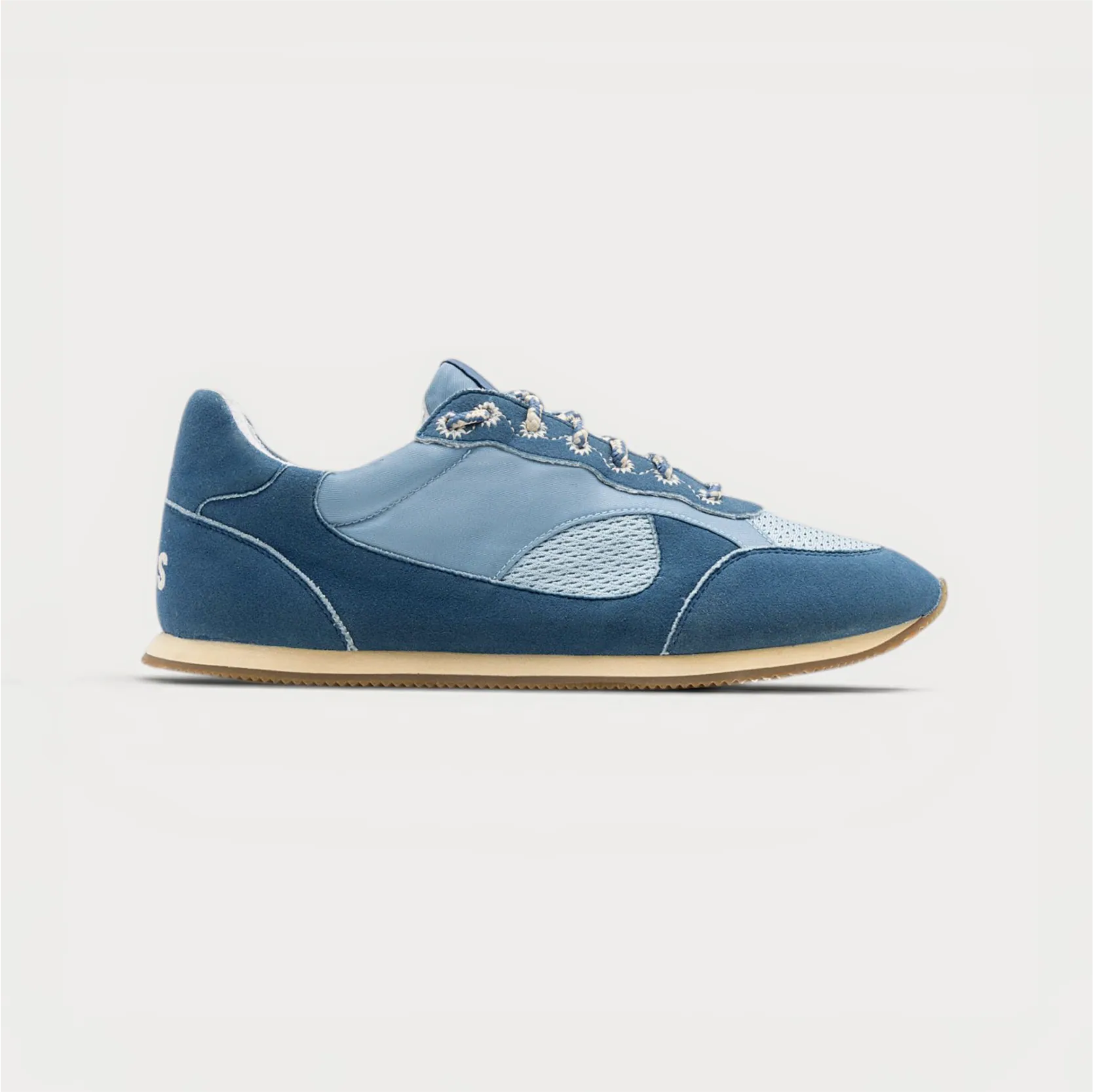
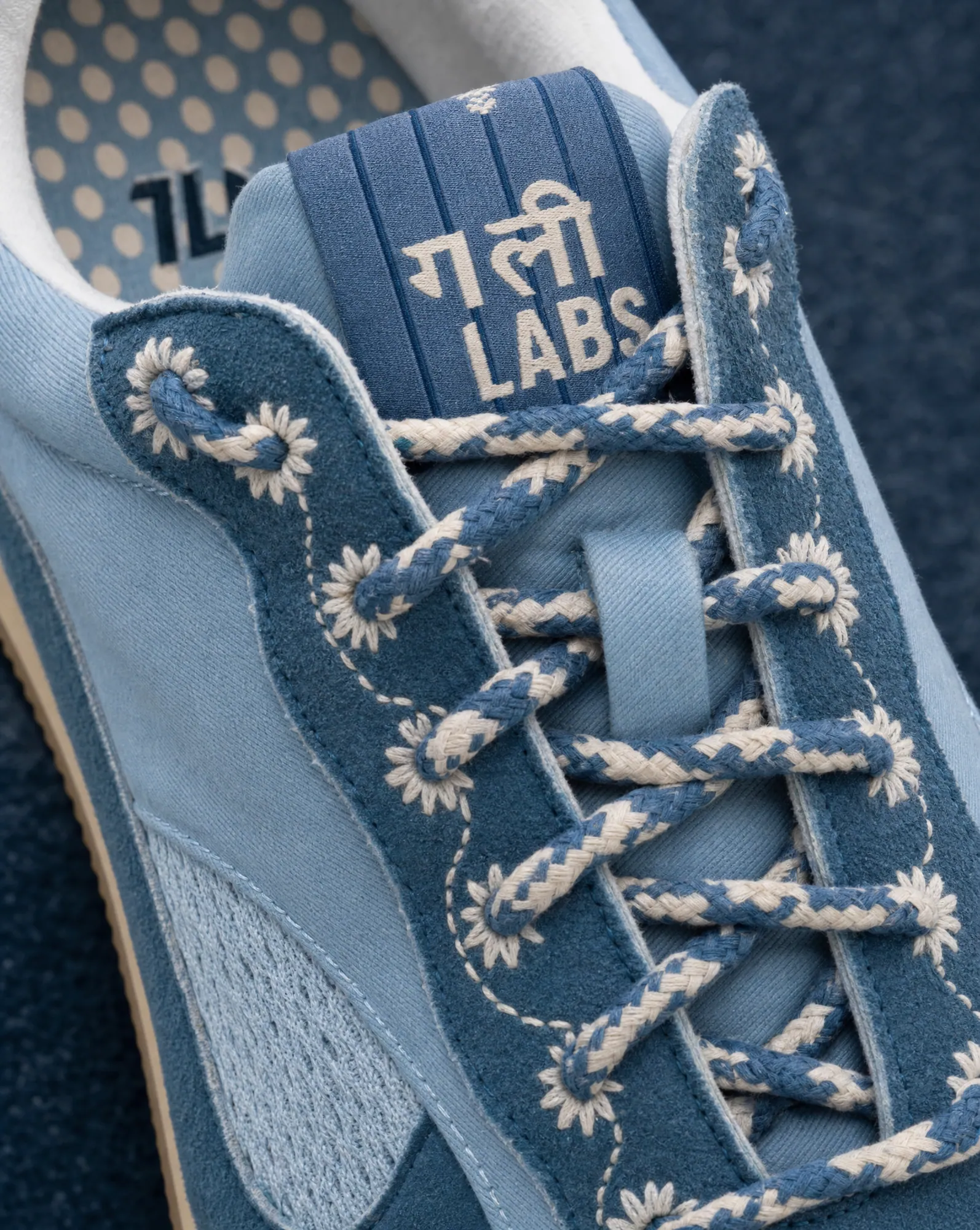
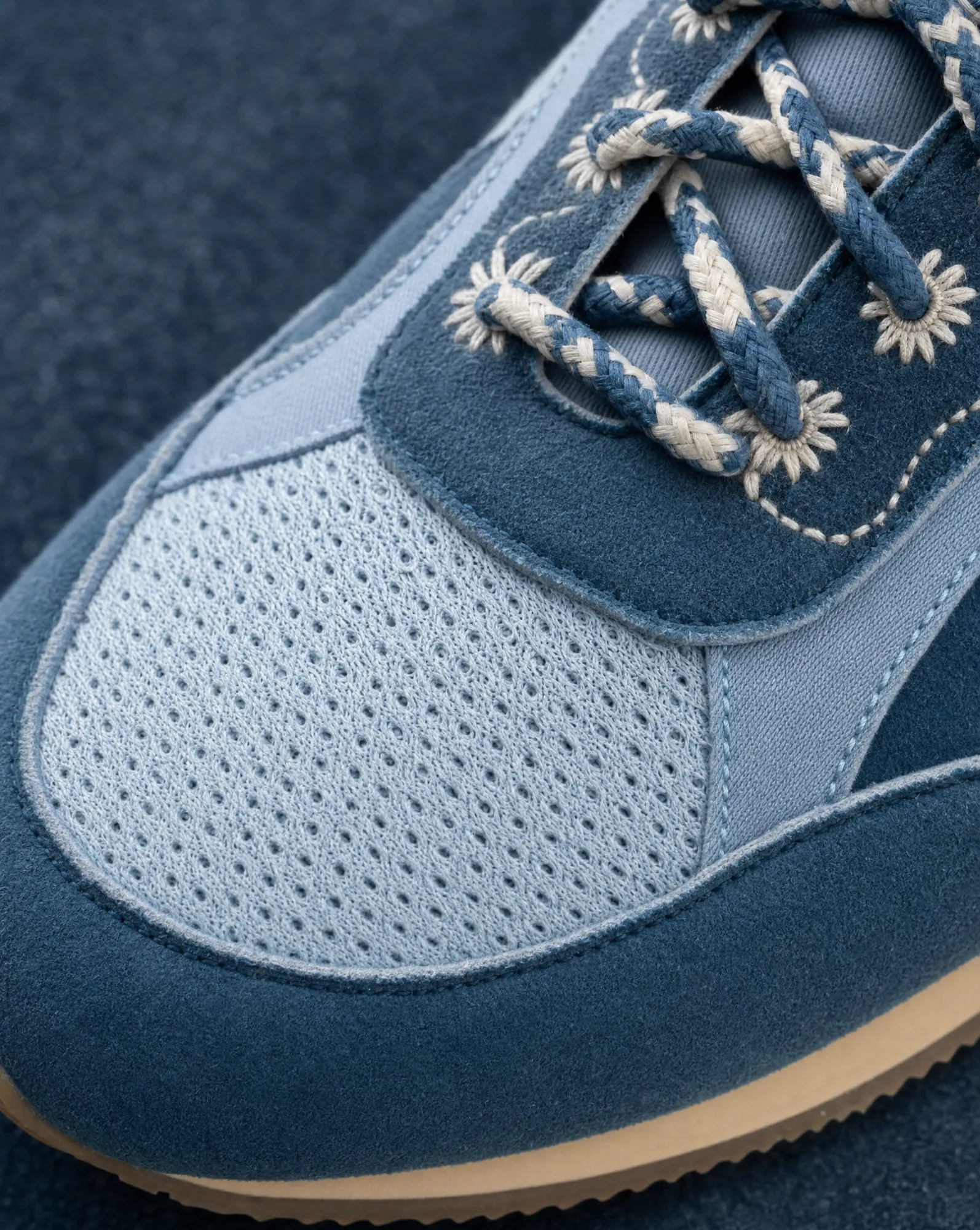
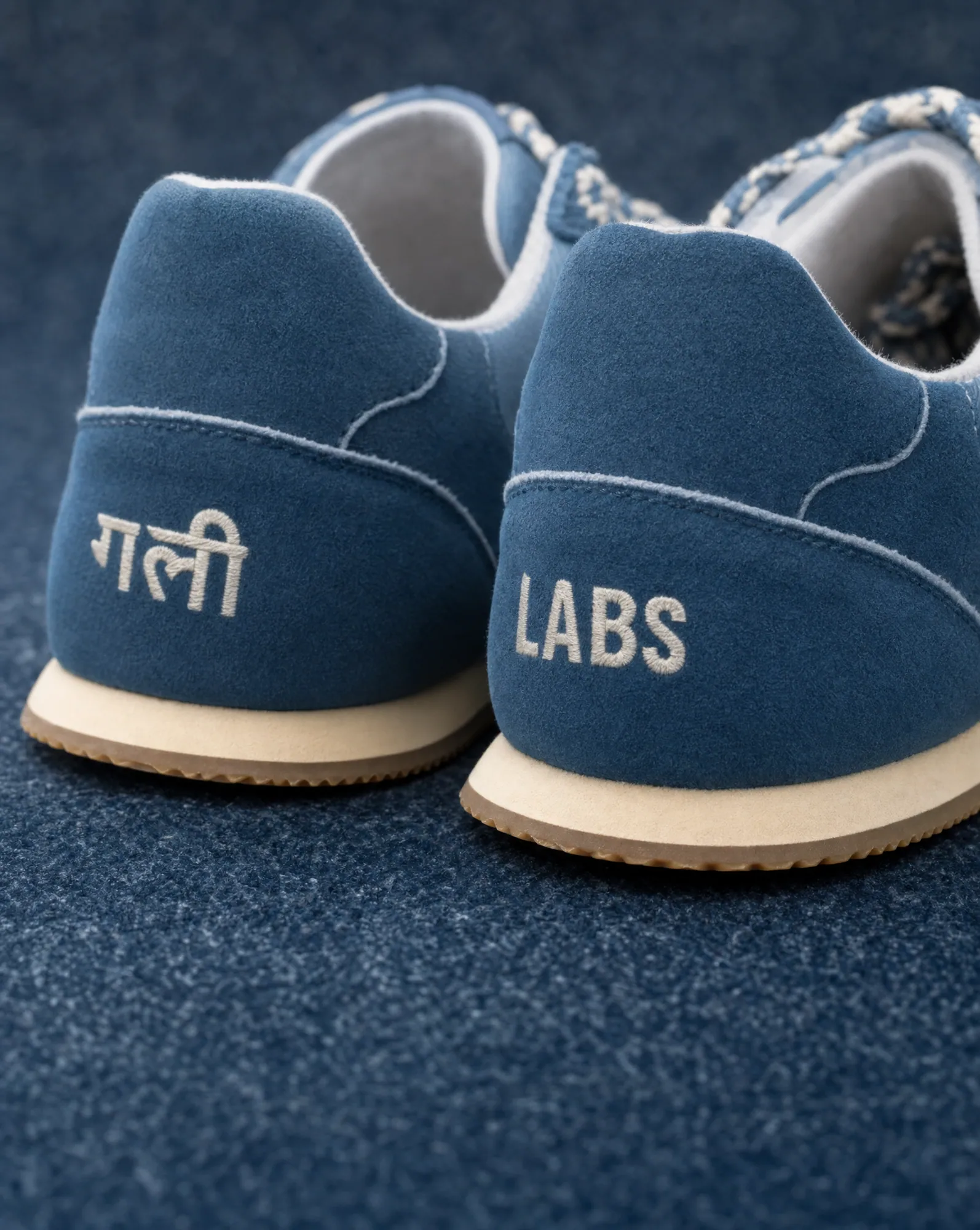
The footwear shot list
| Shot | What buyers check | What we check |
|---|---|---|
| Outer side profile | Silhouette, logo, sole height | Logo placement and panel lines |
| Inner side profile | Arch, inner logo, padding | Inner side isn't a mirrored copy of the outer |
| Front (toe) | Toe shape and width | Toe box shape and stitching |
| Back (heel) | Heel tab, counter, pull loop | Heel branding and counter shape |
| Top-down | Lacing, tongue, insole branding | Lace pattern and eyelet count |
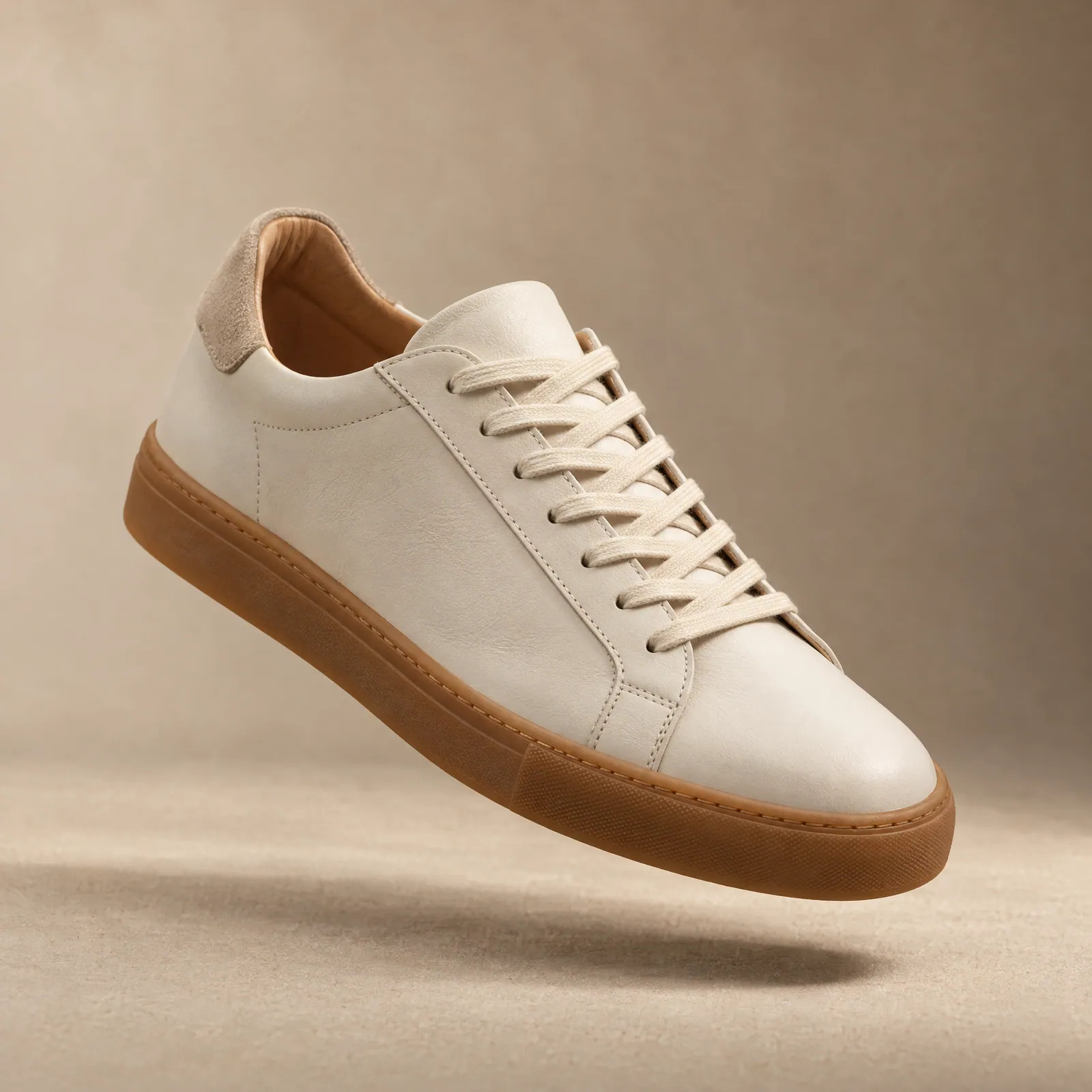
| Three-quarter hero | The overall look; main image on many stores | Proportions match the packshot |
| Sole | Grip pattern and material | Tread pattern copied, never invented |
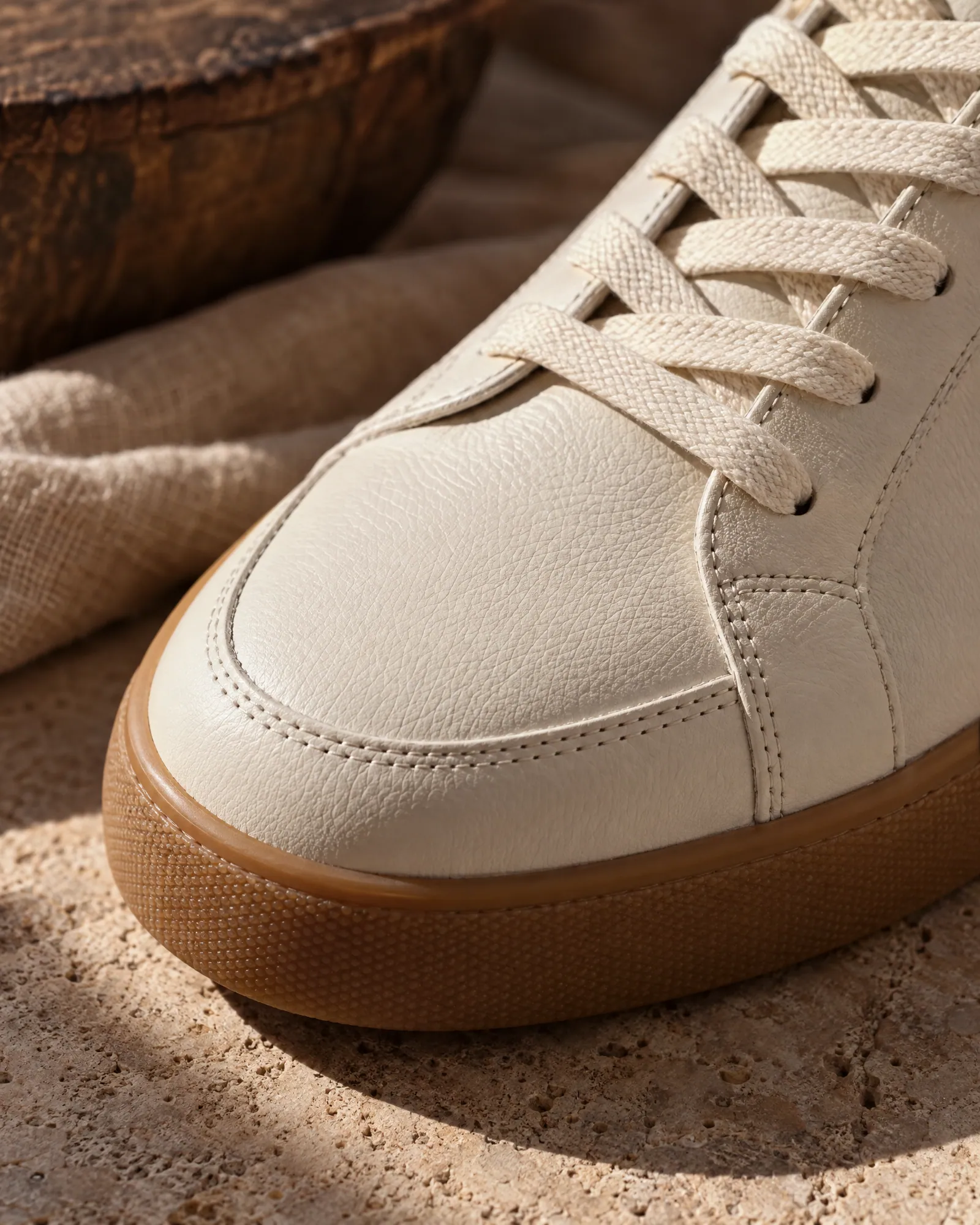
| Detail macro | Material and craft: suede, mesh, embroidery | Texture and thread colour |
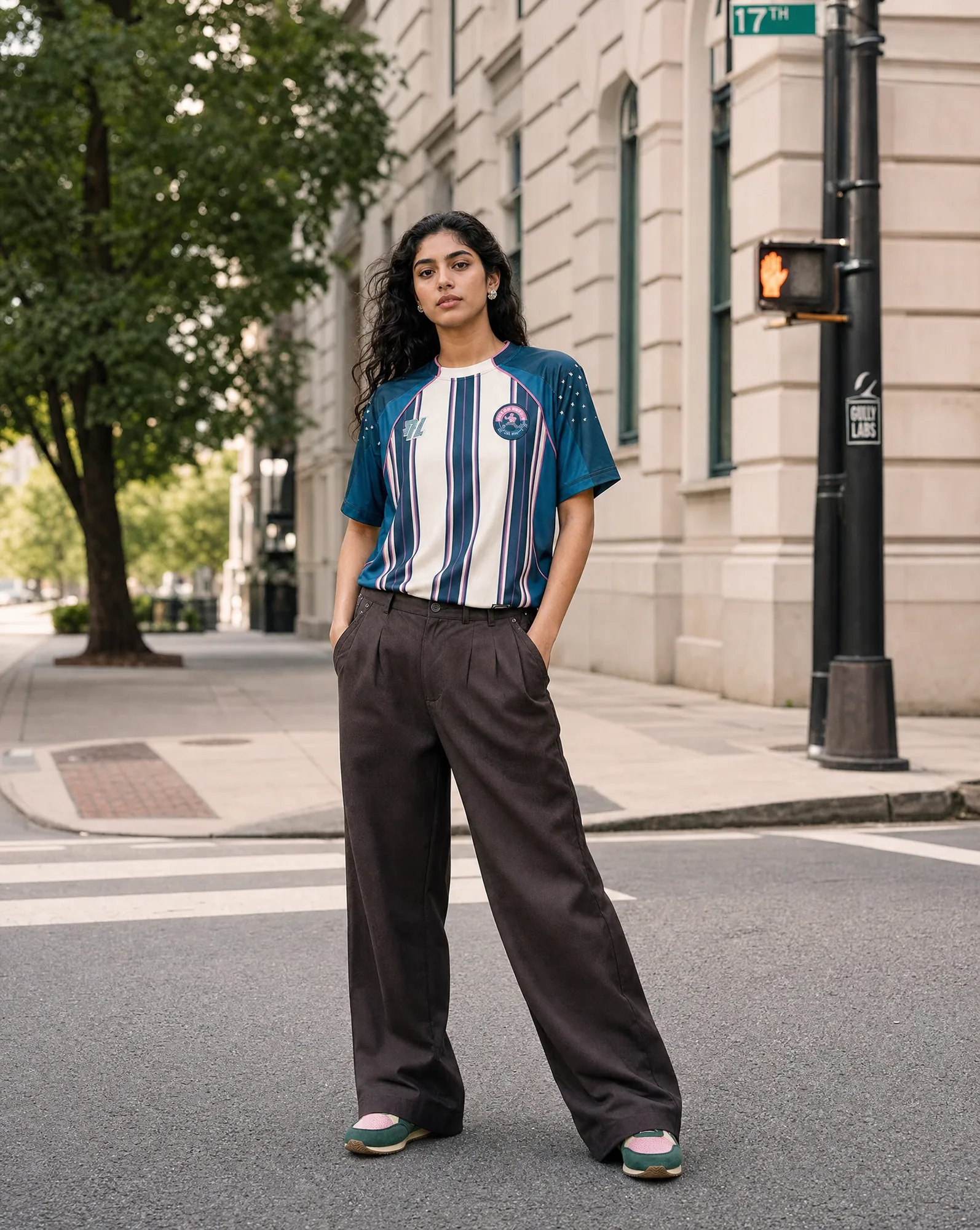
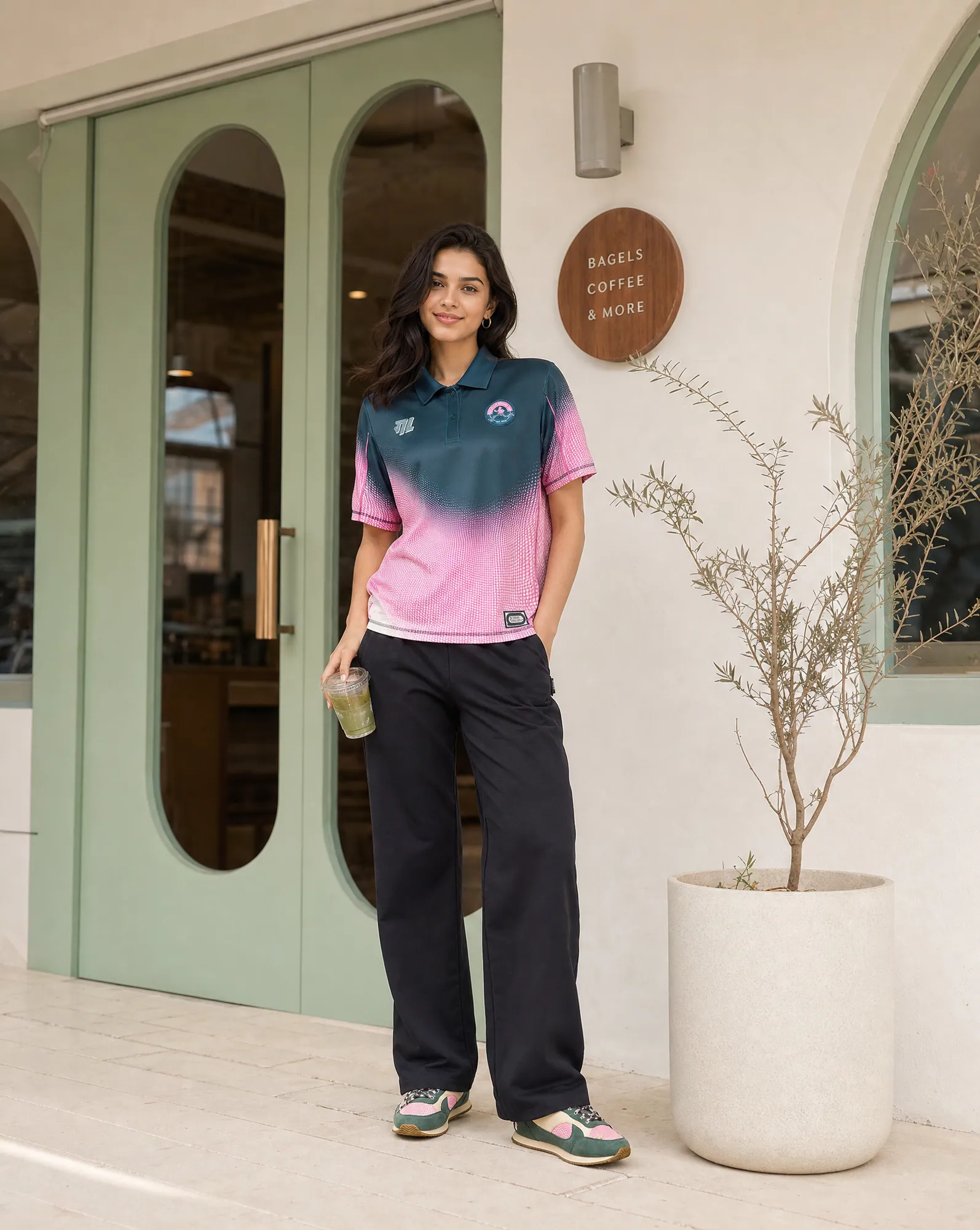
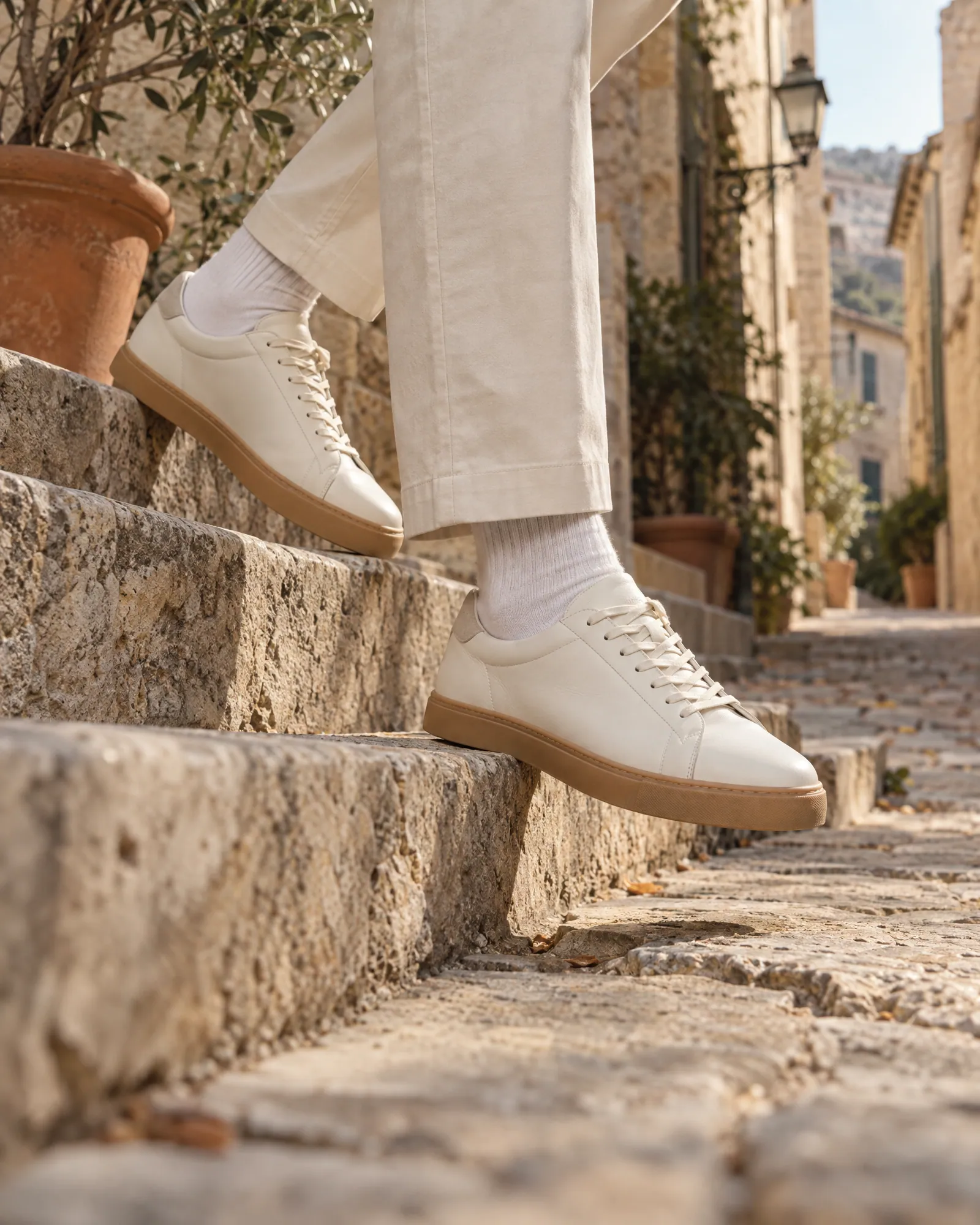
| On-foot | How it looks worn, with what | Shoe stays exact; styling fits your customer |
Why footwear breaks generic AI tools
Shoes look simple and aren't. A generic image model will:
- Change the eyelet count or rethread the laces into a different pattern.
- Mirror the outer side to fake the inner side, so the logo ends up on the wrong panel.
- Invent a tread when the sole isn't visible in the reference.
- Smooth the materials, so suede, mesh and leather all look like the same plastic.
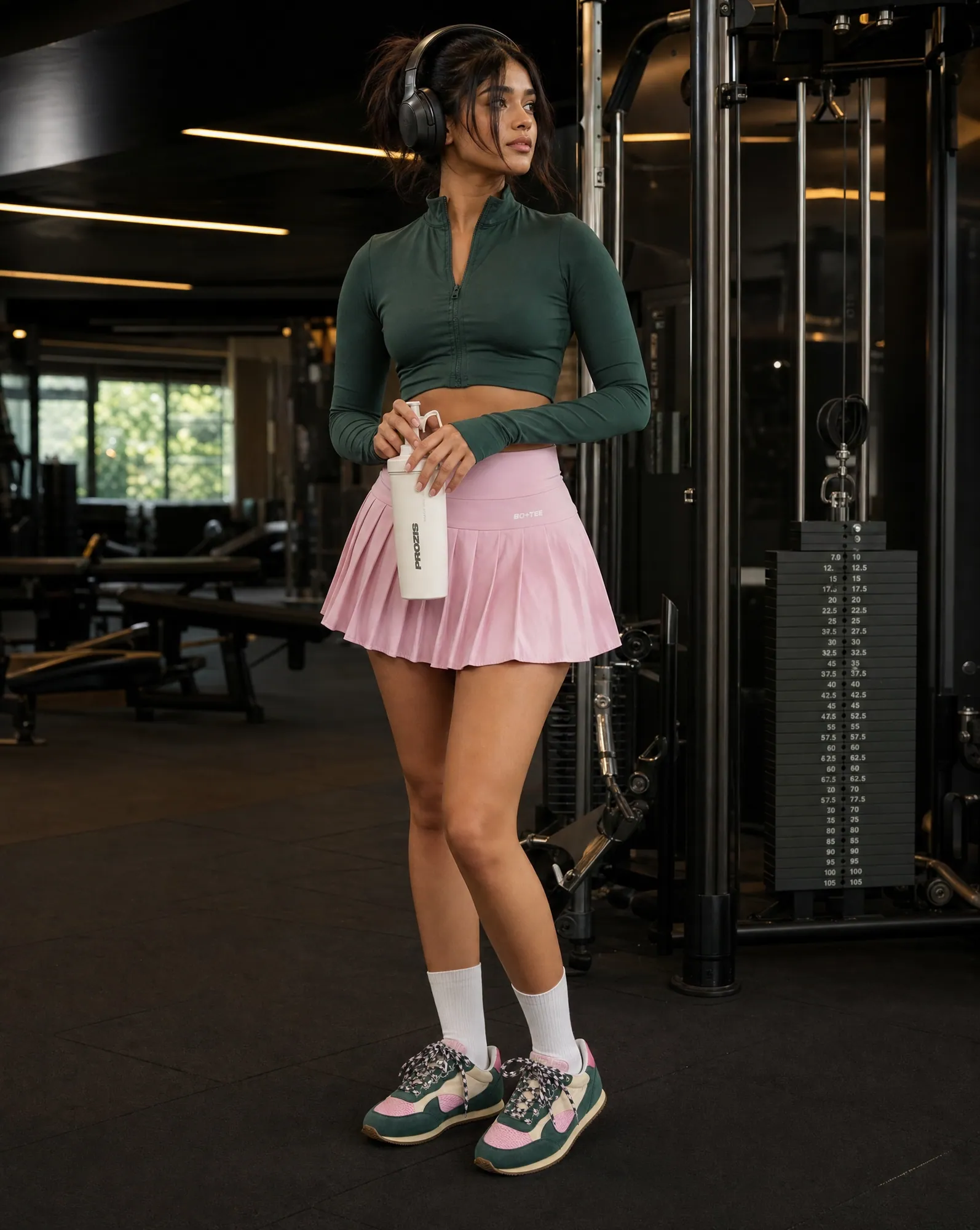
The Gully Labs set above shows the opposite: details that weren't visible at full size in the packshot, made sharp, with the laces, stitching and colours of the real shoe. When a view truly isn't in the reference (the sole, say), we ask for one more photo instead of guessing. See the full Gully Labs AI photoshoot and the launch page we built for The Lane.
On model, same shoe
From packshots to a full footwear catalog
- Send what you have
Your store link or a CSV, plus existing packshots. One clean side profile per colourway is the minimum; a sole photo helps. - Lock the look on three styles
Pick the backgrounds, the on-foot settings and the styling. That look carries across every pair. - Every pair, checked
Our team checks logos, eyelets, laces, sole pattern and materials against your photos and regenerates anything that drifts. - Upload-ready
Named by SKU and colourway, sized for your store, marketplaces and Meta and Google ads.
Questions
Footwear photography questions
Can you make on-foot shots without a model shoot?
Yes. The on-feet and on-model shots above were made from Gully Labs' store packshot. The shoe is carried over from the reference and checked; the person, setting and styling are generated.
Do colourways need separate photos?
Yes, one reference per colourway. Recolouring one shoe into another colourway risks the wrong shade on a product people return over colour.
What does it cost?
$1 an image internationally, ₹85 an image in India, with volume pricing for full catalogs.
What if I only have one photo per shoe?
A sharp side profile is enough to start detail and on-foot shots. For angles the photo can't show, like the sole or the inner side, we'll ask for one more photo rather than invent it.
Who owns the images?
You do, with full commercial rights to everything we deliver.
Keep reading
Related.
AI product photography tools, compared honestly.
Photoroom, Pebblely, Claid and Flair are good tools. Here's who each one suits, and when a managed team makes more sense than another login.
Amazon product image requirements, as a checklist.
The main-image rules that get listings suppressed, the technical specs, and where AI-made images belong in your gallery.
How to do an AI product photoshoot without the product changing.
The method we use on real catalogs: good references, a shot list, one locked style, and an accuracy check on every image.
Free sample
Send one packshot. Get the full set.
Share a product link. We'll send detail and on-foot shots of that pair so you can compare them with the real shoe.
Rather talk? or WhatsApp us